(618)234-3630
905 West Blvd. Belleville, IL 62221

Off-the-road (OTR) tires are one of the largest operating expenses for construction companies, quarries, mines, and heavy equipment operators. Whether you’re running grader tires, loader tires, earthmover tires, or industrial tires, getting the maximum life out of your tire investment can significantly reduce operating costs.
While tire wear is inevitable, proper maintenance and operating practices can help you extend tire life, improve performance, and reduce costly downtime. Here are seven practical ways to help your OTR tires last longer.
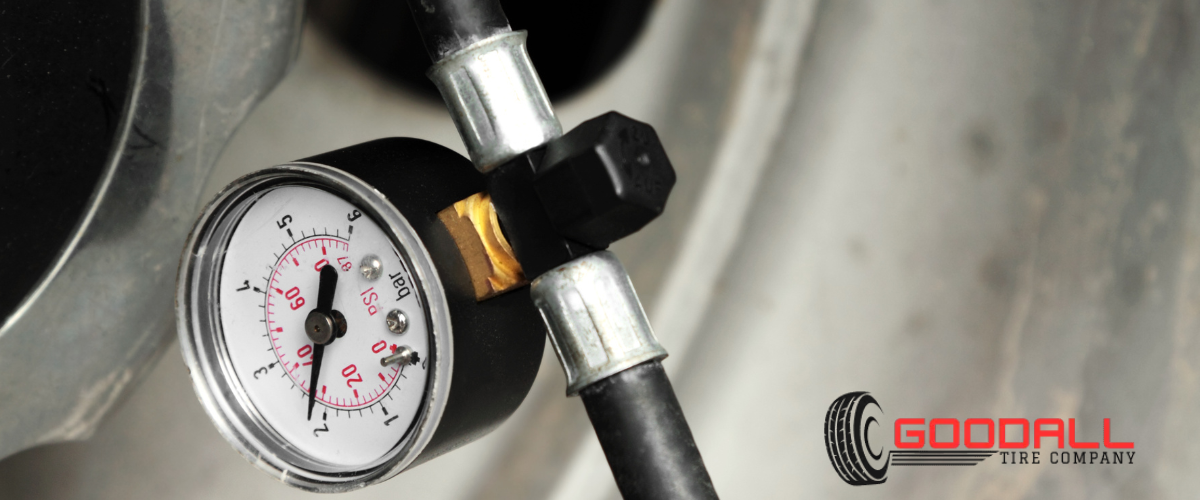
Proper tire inflation is one of the most important factors affecting tire longevity.
Underinflated tires generate excessive heat, increase sidewall flexing, and wear unevenly. Overinflated tires can create excessive wear in the center of the tread and make tires more vulnerable to impact damage.
Regular pressure checks help ensure tires operate as designed and wear evenly throughout their service life.
Small problems often become expensive repairs when left unnoticed.
Regular inspections should look for:
Identifying damage early can help prevent premature tire failure and increase the likelihood that a tire can be repaired or retreaded.
Not all OTR tires are designed for the same job.
A tire that performs well on a construction site may not be the best option for quarry operations or mining environments. Choosing the proper tread pattern, tire size, and tire construction for your application can significantly impact tire life.
Working with an experienced OTR tire supplier can help ensure you’re selecting the right tire for your equipment and operating conditions.
Every tire has a recommended load capacity.
Consistently operating equipment beyond those limits places additional stress on the tire structure, increases heat buildup, and accelerates wear.
Overloading can also increase the risk of casing damage, reducing the tire’s potential for future repairs or retreading.
Following manufacturer load recommendations helps protect both your tires and equipment.
While not every jobsite can be controlled, reducing hazards can have a major impact on tire life.
Common tire hazards include:
Maintaining haul roads and work areas helps minimize cuts, punctures, and impact damage that can shorten tire life.
Operator habits play a significant role in tire wear.
Aggressive driving behaviors such as:
can dramatically reduce tire life.
Providing operator training focused on tire preservation can lead to measurable cost savings across an entire fleet.
Not every worn tire needs to be replaced immediately.
Many OTR tires can be repaired or retreaded when the casing remains in good condition. Retreading allows operators to maximize the value of their tire investment while reducing replacement costs.
Proper maintenance throughout the tire’s life improves the chances that the casing remains suitable for future retread applications.
Extending OTR tire life isn’t about one maintenance task—it’s about creating a consistent program that combines inspections, proper inflation, operator training, and smart purchasing decisions.
A well-maintained tire can deliver thousands of additional operating hours while reducing downtime and lowering overall operating costs.
At Goodall Tire, we help customers across the United States find quality used, repaired, and retread OTR tires for graders, loaders, earthmovers, and other heavy equipment. Whether you’re looking to replace worn tires or maximize the life of your current fleet, our team can help you find a cost-effective solution.