(618)234-3630
905 West Blvd. Belleville, IL 62221

Heavy equipment tire pressure should generally be checked at least once a day or before each work shift. Equipment operating under severe conditions, carrying heavy loads, or working extended shifts may require more frequent inspections.
Maintaining proper tire pressure is one of the simplest ways to improve tire performance, extend service life, and reduce unexpected equipment downtime. Even a small pressure problem can lead to uneven wear, excessive heat, reduced traction, or tire failure.
A pre-shift tire inspection should be part of the equipment operator’s daily routine. Tire pressure should be measured while the tires are cold, before the equipment begins working and heat causes the pressure to increase.
Checking pressure before each shift can help identify:
For equipment that does not operate daily, check the tire pressure before each use rather than relying on a weekly schedule.
As an OTR tire operates, it flexes and generates heat. This heat naturally causes the air pressure inside the tire to rise. A pressure reading taken after several hours of operation may therefore be higher than the tire’s actual cold inflation pressure.
Checking a hot tire and releasing air to reach the recommended cold pressure can result in underinflation once the tire cools.
For the most accurate reading, inspect tire pressure before the equipment begins operating or after it has been parked long enough for the tires to cool. Always follow the tire or equipment manufacturer’s recommendations.
Daily checks are a strong starting point, but certain conditions may require more frequent monitoring.
Outside temperature directly affects tire pressure. A sudden cold front may cause tire pressure to drop, while warmer conditions can increase pressure.
Check tires again when equipment begins operating in substantially different weather conditions, especially during seasonal temperature changes.
Tire pressure requirements may change based on the equipment’s load. Tires that are properly inflated for one application may not be suitable for substantially heavier operating conditions.
If equipment assignments or load requirements change, review the appropriate pressure before work begins.
Equipment working continuously for long hours may experience significant heat buildup. Operators should visually inspect the tires during breaks and watch for signs of damage, abnormal deflection, or pressure loss.
Do not release air from a hot tire unless directed by the manufacturer or a qualified tire professional.
Sharp rocks, debris, potholes, curbs, and other hazards can damage an OTR tire. Check the tire after any significant impact, even when no immediate damage is visible.
A slow leak may not become obvious until hours later.
Newly installed or repaired tires should be checked more closely during their initial period of service. This can help identify valve issues, bead leaks, or problems with the repair.
Ask the tire service provider when the pressure should be rechecked.
Heavy equipment tires operate under demanding conditions. Proper inflation allows the tire to carry its intended load while maintaining the correct footprint and sidewall shape.
Incorrect pressure can affect much more than the tire itself.
An underinflated tire flexes more than intended. This additional movement creates heat and can damage the tire’s internal structure.
Possible consequences include:
Because a large OTR tire may not look noticeably low, a visual inspection alone is not enough.
Overinflation can reduce the tire’s contact area with the ground and make it less able to absorb impacts.
Possible effects include:
More pressure does not necessarily provide greater load capacity. Inflation should be based on the tire, equipment, load, and application.
There is no single pressure that is correct for every heavy equipment tire. The appropriate pressure may depend on:
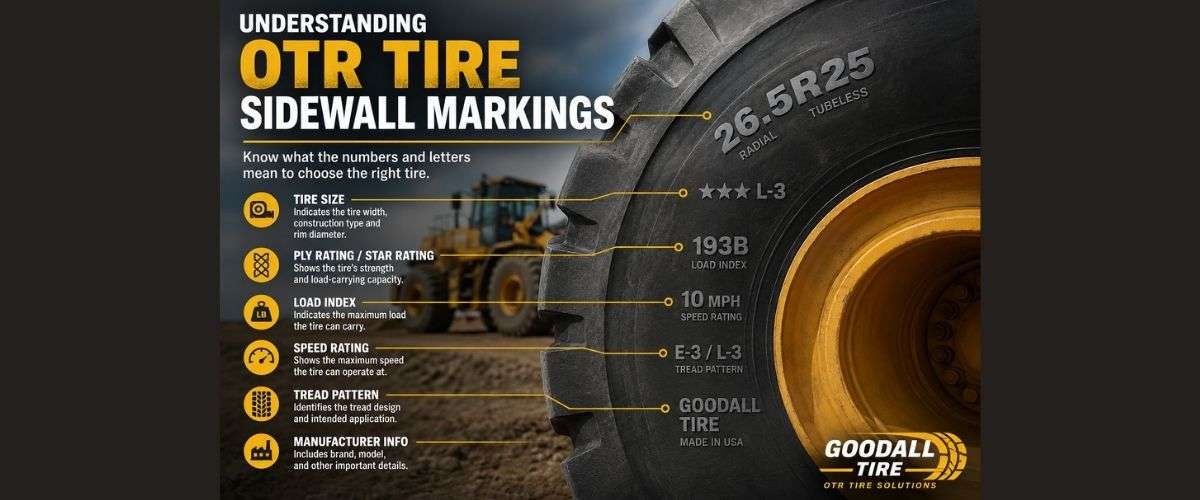
Consult the equipment manual, tire manufacturer’s load and inflation tables, or a qualified OTR tire professional. The maximum pressure molded into the tire’s sidewall should not automatically be treated as the recommended operating pressure.
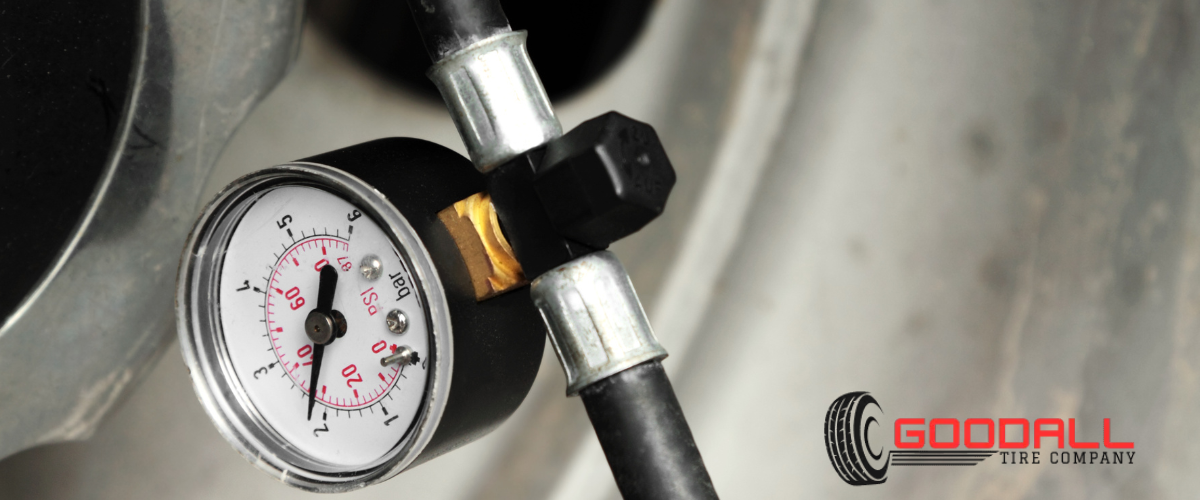
Large OTR tires require a gauge designed for their pressure range and valve system. A damaged or inaccurate gauge can result in incorrect readings, even when operators follow a consistent inspection schedule.
For dependable results:
Operations with multiple machines may benefit from keeping a written or digital pressure log. Tracking readings can reveal a tire that is repeatedly losing air before it creates a larger problem.
Adding air every few days is not a long-term solution. Recurring pressure loss may indicate a puncture, damaged valve, bead leak, cracked wheel, or internal tire problem.
Remove the tire from service and have it professionally inspected when necessary. Continuing to operate a leaking tire can turn a repairable issue into casing damage or complete tire failure.
Checking heavy equipment tire pressure before every shift is a small task that can deliver substantial benefits. Consistent monitoring helps extend tire life, support safer operation, improve equipment performance, and prevent avoidable downtime.
Goodall Tire offers used OTR tires for loaders, graders, tractors, construction equipment, and other heavy-duty applications. If your equipment needs a replacement tire, contact Goodall Tire to discuss available sizes, tread patterns, and shipping options