(618)234-3630
905 West Blvd. Belleville, IL 62221

Off-the-road (OTR) tires are built to withstand demanding conditions, but even the toughest tires are susceptible to wear and damage over time. Whether your equipment operates in construction, mining, quarrying, road building, or industrial environments, recognizing tire damage early can help prevent costly downtime, extend tire life, and improve overall safety.
Knowing what to look for during routine inspections can help operators address small problems before they become major failures.
A damaged tire doesn’t just affect performance—it can impact productivity, fuel efficiency, and operating costs. Minor issues that go unnoticed may lead to casing damage, expensive repairs, or complete tire replacement.
Regular inspections can help identify problems early, allowing operators to schedule repairs or replacements before equipment is taken out of service unexpectedly.
One of the most common forms of OTR tire damage is cuts caused by rocks, scrap metal, concrete debris, and other jobsite hazards.
Small cuts may appear harmless, but deeper cuts can expose internal tire components and lead to further deterioration.
Watch for:
Prompt repairs may help prevent damage from spreading and increase the likelihood that the tire can remain in service.
The sidewall is one of the most vulnerable areas of an OTR tire.
Sidewall damage can result from:
Bulges, deep cuts, or exposed cords in the sidewall should be addressed immediately, as these issues can compromise the structural integrity of the tire.
Uneven wear patterns often indicate underlying problems.
Common causes include:
Inspect tread surfaces regularly for signs of excessive wear in specific areas. Identifying the root cause can help prevent premature tire replacement.
As tires age, exposure to sunlight, weather, and environmental conditions can cause cracking in the rubber.
Look for:
While minor cracking may not require immediate replacement, significant cracking can indicate that the tire’s condition is deteriorating.
Heat is one of the biggest enemies of OTR tires.
Excessive heat buildup can occur due to:
Signs of heat-related damage may include abnormal wear patterns, rubber deterioration, and casing issues that reduce the tire’s service life.
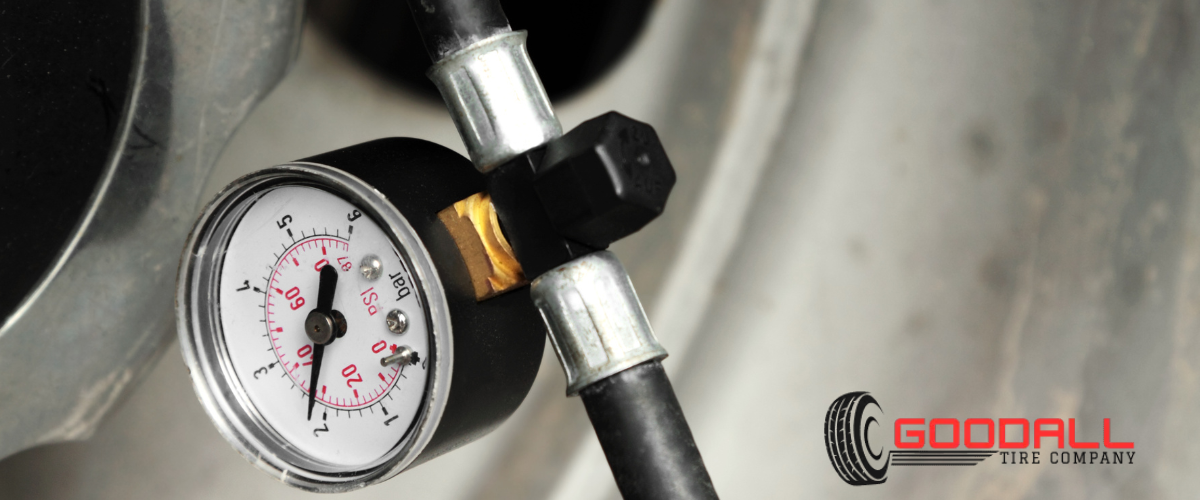
Maintaining proper tire pressure is one of the most effective ways to reduce heat buildup.
In demanding environments such as quarries and mining operations, tires may experience chunking, where pieces of tread are torn away from the tire surface.
Tread separation can occur when internal components begin to fail, creating a serious safety concern.
Watch for:
These conditions should be evaluated immediately.
A tire that repeatedly loses air pressure may have:
Even slow leaks can lead to chronic underinflation, increasing wear and shortening tire life. Regular pressure checks can help identify problems before they become severe.
Routine inspections are one of the best ways to maximize tire life and reduce operating costs. By identifying cuts, sidewall damage, uneven wear, and other common issues early, equipment owners can make informed decisions about repairs, retreading, or replacement.
At Goodall Tire, we help customers across the United States find quality used, repaired, and retread OTR tires for graders, loaders, earthmovers, and other heavy equipment. If you’re looking for cost-effective tire solutions or need help evaluating tire condition, our experienced team is here to help.